動画要約プロンプト集:文字起こしにそのまま貼れる12個(2026年版)

動画要約の質を決めるのは「要約して」の一言ではなく、出力の構成・文字数の上限・「文字起こしに書かれていなければ not stated と書く」というルールを明示したプロンプトです。以下の12個は用途がそれぞれ違い、すべてワンクリックでコピーできる形にしてあります。
プロンプト本文はどの言語版でも英語のままにしています。実際に貼り付けるのはこの英文で、英語の指示のほうが各種チャットツールで安定して動くためです。回答を日本語で返させたい場合は、その一文を自分で足せば十分です。
手順は3つだけです。まず文字起こしを用意し、次にプロンプトを1つコピーし、最後に末尾の <paste the transcript here> を文字起こしに置き換えます。文字起こしがない場合は、動画のURLを BibiGPT に貼るとタイムスタンプ付きのテキストが得られるので、それを普段使っているチャットツールに持ち込んでください。
プロンプトの価値は言い回しの巧みさではなく、出力の型をどこまで指定できているかで決まる。
できればタイムスタンプ付きの文字起こしを使ってください。ここに載せた半分のプロンプトはタイムスタンプの併記を要求しており、無ければ出力は「n/a」になり、あとから元の箇所に戻って確認する手段が失われます。プレーンテキストでも動きますが、検証しやすさは確実に落ちます。
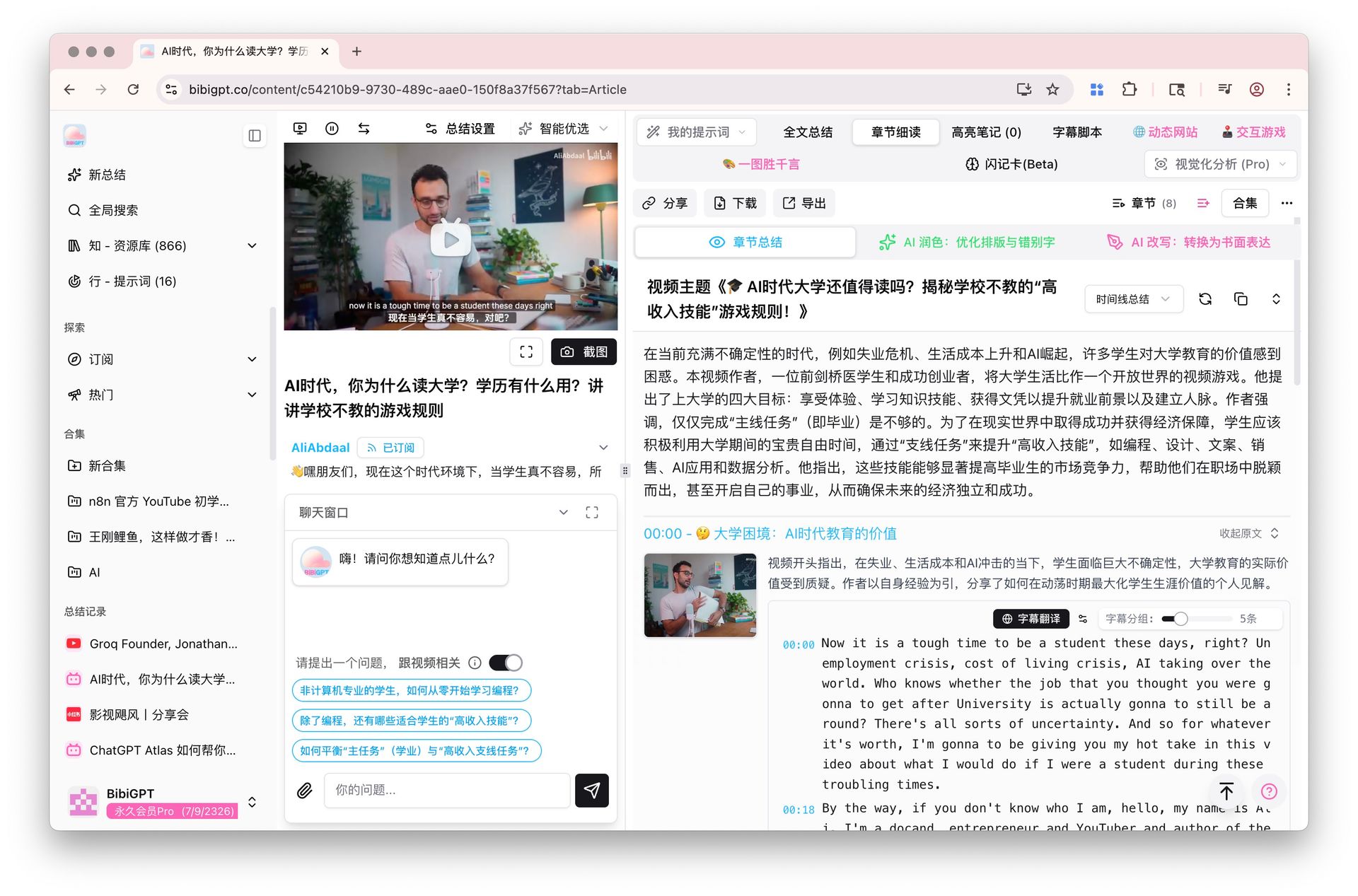
タイムスタンプ付き文字起こしと章立て表示の画面
長い動画のどこを見ればいいか、どう当たりをつける?
この用途は2つのプロンプトが担います。片方は文字起こしをジャンプ用の目次に変え、もう片方は手順ものを番号付きのステップに畳みます。動画が長く、これからの1時間を頭から通しで見るのに使いたくないときに先に流してください。どちらも同じ一文で成否が決まります——実在するタイムスタンプだけを使い、決して作らない。
タイムスタンプ付きの動画目次をAIに作らせるには?
まずこれを流し、見るかどうか・どこから見るかを決めます。出力は6〜12個のタイムスタンプ付きセクションと各1行の説明で、実質的に動画のジャンプ用目次になります。要になるのは「文字起こしに実在するタイムスタンプだけを使う」という一文で、これが無いと、それらしい 00:14:32 が平気で生成されます。
You are given a video transcript with timestamps. Build a navigable outline of it.

Rules:
- Produce 6-12 sections. A section is one topic shift, not one paragraph.
- Format every line as: [HH:MM:SS] Section title - one sentence on what is covered.
- Use ONLY timestamps that appear in the transcript. Never estimate, interpolate or invent one. If a section starts where no timestamp is marked, write [time not marked] instead of guessing.
- Titles must be specific ("Why the 2019 pricing change backfired"), never generic ("Introduction", "Key points").
- End with one line: "Longest section: <title> (~<minutes> min)".
- Under 300 words. No preamble, no closing remarks.

TRANSCRIPT:
<paste the transcript here>
チュートリアル動画を手順チェックリストにするには?
チュートリアルをシークバーで行き来しながら追うのが一番遅い方法です。これは番号付きの手順に落とし込み、1手順1動作、口頭で述べられた値・コマンド・メニュー階層は角括弧内にそのまま写します。画面に映っただけで読み上げられていない値は推測せずその旨を記し、前提条件・各段階の確認ポイント・バージョン依存しそうな手順も付きます。
Convert this tutorial transcript into a checklist someone can follow without watching.

Output numbered steps. Each step is one imperative action, followed in brackets by any exact value, setting, command or menu path that was spoken.

Rules:
- One action per step. Split any step that contains "and then".
- Copy values, names, paths and commands character for character. If something was only shown on screen and never spoken, write [shown on screen, not stated] - never guess it.
- After the steps add PREREQUISITES (what you need before step 1) and CHECKPOINTS (how you know each phase worked, quoting what the tutorial says you should see).
- Finish with one line: "Steps that may depend on the version you are using: ...".

TRANSCRIPT:
<paste the transcript here>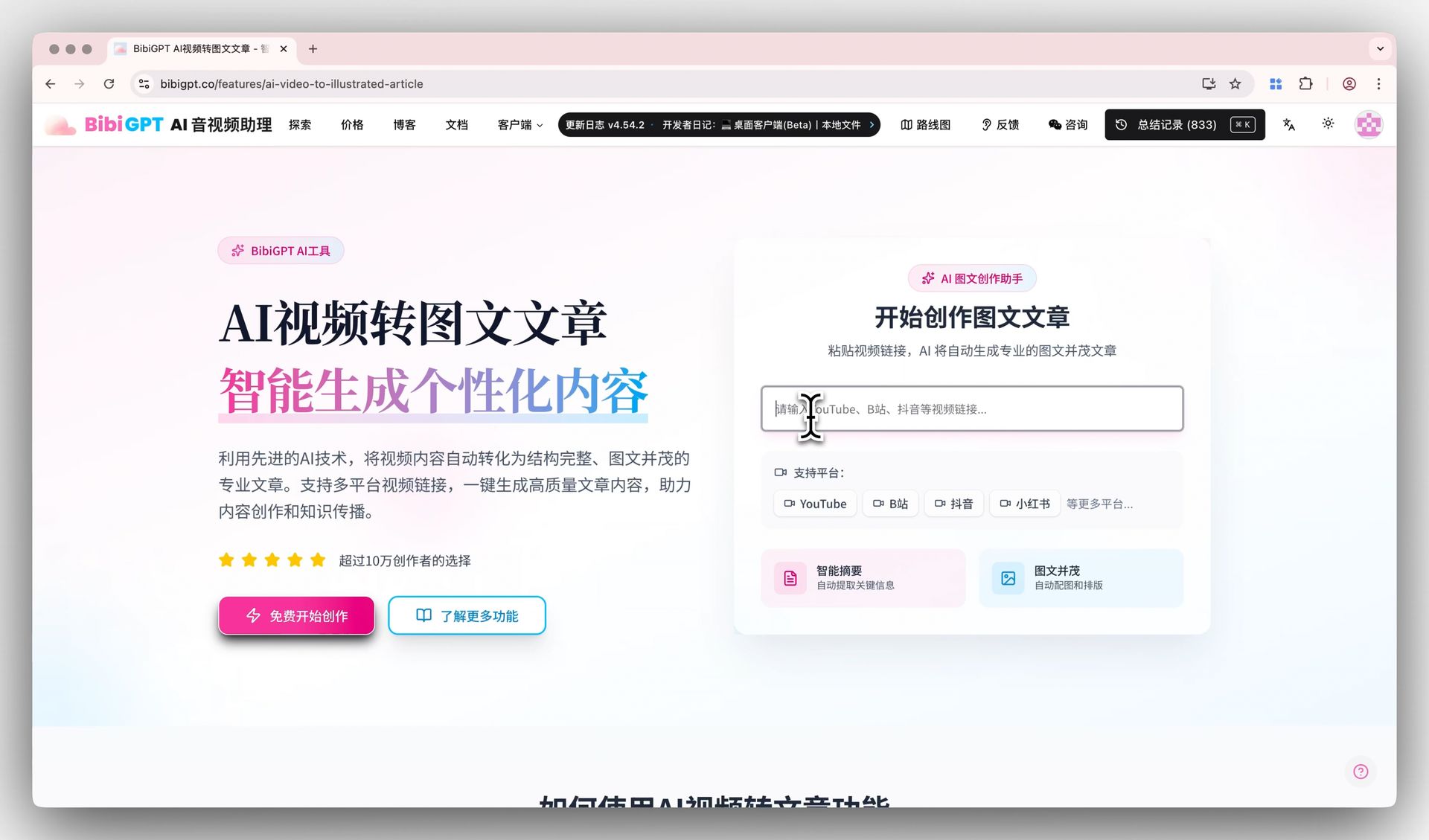
動画の文字起こしから記事構成を組み立てる画面
動画を開かない相手に、どう伝える?
「人に伝える」は、受け取る相手によって別々の仕事になります。それを根拠に判断する人には型の決まった短い結論が要り、その分野を知らない人には専門語を外して順番を組み替えたものが要ります。以下の2つはそれぞれ一方を担うので、分量ではなく相手の前提知識で選んでください。
動画を見ない相手に渡す要約はどう書かせる?
動画を開かないまま判断する相手に送るための要約です。結論・扱っている範囲・見るべき人・答えていないことの4ブロックに固定します。最後のブロックは多くの要約が省く部分ですが、「これで全部わかった」という誤解を防ぐのはここです。
Summarize this transcript for a busy reader who will never watch the video.

Output exactly these four blocks:
1. BOTTOM LINE - 2 sentences. The single most useful thing in the video.
2. WHAT IT COVERS - 4-6 bullets, each under 20 words.
3. WHO SHOULD WATCH - 1 sentence on who benefits, 1 sentence on who can safely skip it.
4. WHAT IT DOES NOT ANSWER - 2-3 questions a reader may arrive with that the transcript leaves open.

Rules:
- Under 250 words in total.
- Every statement must be traceable to the transcript. If something is only suggested, write "implied, not stated".
- Add no background knowledge of your own.

TRANSCRIPT:
<paste the transcript here>
専門外の動画を初心者向けに言い換えさせるには?
専門外の動画で詰まる原因は、たいてい4〜5個の用語です。これは専門用語を一切使わずに書き直し、平易な用語集を付け、初心者が必要とする順(動画の順とは限りません)で5〜8段落に並べ替え、最後に「これは比喩です」と明示した例えを1つ置きます。話者が前提にしている知識は、補完せず前提として明記させます。
Rewrite this transcript for someone completely new to the subject.

Output:
- WHAT THIS IS ABOUT - 3 sentences, no specialist vocabulary at all.
- GLOSSARY - every specialist term the speaker uses, each explained in under 15 plain words.
- THE IDEA, STEP BY STEP - 5-8 short paragraphs, ordered the way a beginner needs them, which may differ from the order in the video.
- ONE ANALOGY - a single comparison to something ordinary, clearly labelled as an analogy.

Rules:
- Aim at a motivated 15-year-old reader.
- Where the speaker assumed background the transcript never supplies, write "the video assumes you already know X" rather than filling the gap yourself.
- No sentence longer than 25 words.

TRANSCRIPT:
<paste the transcript here>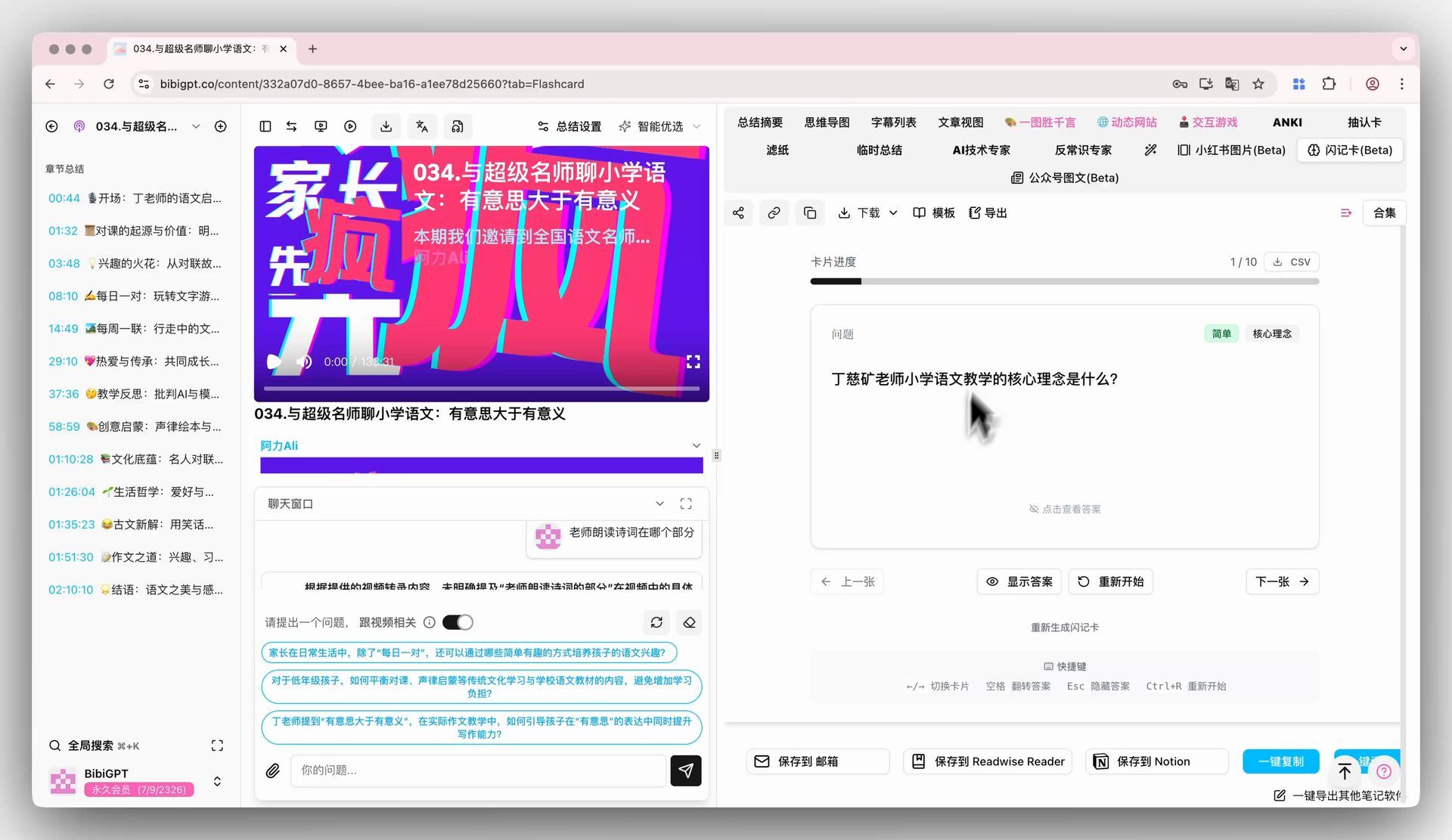
動画から自動生成された確認テストの画面
会議から決定事項と次の一手をどう取り出す?
打ち合わせの後には独立した問いが2つあります。何をやるのか、そして結局何が決まったのか。1つ目のプロンプトは担当付きのタスク表を返し、2つ目は「決まった」と「話しただけ」の境界を引きます——録画がいちばん曖昧にするのがこの境界です。同じ文字起こしに両方を流せば、事後対応は揃います。
会議の録画からToDoと担当者を抜き出すには?
打ち合わせ直後にこれを流すと、対応内容・担当・期限・タイムスタンプ・確度の表が返ってきます。名前が出なかった作業は文脈から推測せず「unassigned」と書かせ、タスクのように聞こえるが実は却下・保留された項目は別枠にまとめます。後者こそ後日もめる箇所です。
Extract the action items from this transcript.

Return a table with the columns: Action | Owner | Due or trigger | Timestamp | Confidence

Rules:
- Owner: use the name actually spoken. If nobody was named, write "unassigned" - do not infer an owner from context.
- Due or trigger: the exact wording used, otherwise "not stated".
- Timestamp: where the action was raised. If the transcript carries no timestamps, write "n/a".
- Confidence: high (explicitly agreed) / medium (proposed, not confirmed) / low (mentioned in passing).
- Under the table add a NOT ACTIONS list: anything that sounds like a task but was rejected or postponed.
- If there are no action items, reply "No action items found" and stop. Do not manufacture any.

TRANSCRIPT:
<paste the transcript here>
会議で「決まったこと」と「決まっていないこと」をどう分ける?
長い会議で困るのは記憶ではなく、録画上は議論と決定が同じ顔をしていることです。このプロンプトは決定事項・未決事項・対立が残った論点の3つに強制的に切り分け、結論が述べられていなければ未決として扱います。途中で流れて二度と戻らなかった話題も明示されます。
Read this meeting transcript and separate what was settled from what was not.

Output three sections:
DECIDED - one line each: the decision, who stated it, the timestamp. Only include items where someone actually concluded something.
OPEN LOOPS - the question left hanging, who raised it, and what would close it.
DISAGREEMENTS - positions still in conflict when the topic changed. One sentence per side.

Rules:
- A topic that was merely discussed is an open loop, not a decision. Be strict about that line.
- If a topic was dropped and never revisited, say so explicitly.
- Maximum 8 items per section; if more exist, keep the most consequential and note how many you left out.
- Never assign a decision to a speaker who did not state it.

TRANSCRIPT:
<paste the transcript here>
「書かれていなければ not stated と書け」の一文が無いプロンプトは、いずれ架空のタイムスタンプを返す。
講義の録画をどう学習に使う?
録画で学ぶことは、自分を試すことと、刺さった部分を残すことに分かれます。片方は素材から想起用の設問を作り、もう片方は一語一句書き留める価値のある発言を抜き出します。どちらも外部知識で穴を埋めることを禁じているので、結果は講義そのものに忠実なままです。
講義動画を確認テストに変えるには?
見返すより、思い出す練習のほうが効きます。このプロンプトは講義全体に散らした記述式8問、2つの論点を結び付けないと解けない応用4問、タイムスタンプ付きの解答例を出します。外部知識が要る問題は捨てる指示があるため、測られるのは講義の内容そのものです。
Turn this lecture transcript into a self-test.

Produce:
A. 8 recall questions (short answer) spread across the whole lecture, not only the opening third.
B. 4 application questions that require combining two ideas from the lecture.
C. An answer key. Each answer paraphrases the transcript and cites the timestamp it came from.

Rules:
- Every question must be answerable from the transcript alone. Delete any question that needs outside knowledge.
- Mark anything the speaker called important or exam-relevant with [flagged by speaker].
- Keep each answer under 40 words.
- If the transcript is too thin for 12 questions, produce fewer and say how many the material actually supports.

TRANSCRIPT:
<paste the transcript here>
動画から引用に使える一言を探すには?
動画を記事やSNSに再構成するとき、最大のリスクは引用の取り違えです。これは単独で意味が通る発言を8〜12個、タイムスタンプと「なぜ刺さるか」の一行付きで返します。フィラーの削除は省略記号を付ければ可、ただし言い回しの改善は禁止。文脈を外すと意味が変わる発言は別枠に隔離されます。
Pull the most quotable lines out of this transcript.

Return 8-12 quotes. For each: the quote verbatim, its timestamp, and one line on why it lands (surprising, contrarian, unusually concrete, memorable phrasing).

Rules:
- Verbatim means verbatim. You may cut filler words and mark the cut with "...", but never rewrite, smooth or improve the wording.
- Each quote must stand on its own without the surrounding context.
- Skip anything shorter than 6 words or longer than 40.
- If a line changes meaning once removed from its context, do not list it as a quote - put it under CONTEXT-DEPENDENT instead.

TRANSCRIPT:
<paste the transcript here>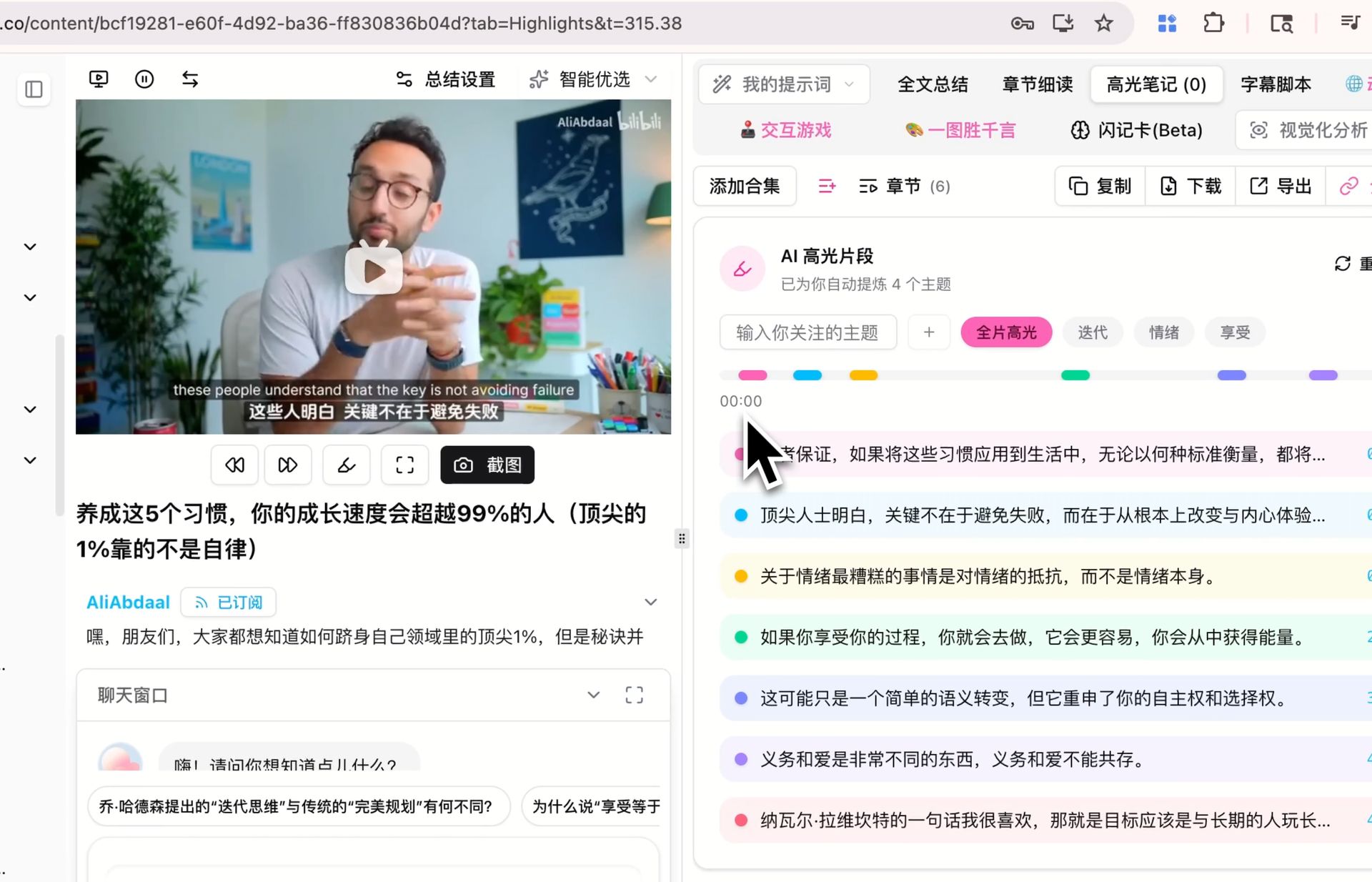
動画中の印象的な発言をハイライトして抜き出す画面
動画で実際に何が語られたか、どう突き合わせる?
動画の内容を引用したり広めたりする前に、2回通しておく価値があります。まず数字を抜き、次に裏取りが必要な主張を並べる。どちらも真偽の判定を許さず、語られていない数字を出すことも許しません。目的は突き合わせできる一覧であって、元の結論に重ねる第二の結論ではないからです。
動画の中の数字だけをタイムスタンプ付きで抜き出すには?
決算説明や調査報告の動画では、欲しいのは数字だけということが多いはずです。これは1つの数字を1行にし、発言そのまま・何を測った数字か・タイムスタンプ・出典の有無を並べます。四捨五入も単位換算もせず、話者の「おおよそ」という言い方も残します。
Extract every quantitative claim from this transcript.

One row each: Figure | Exact quote | What it measures | Timestamp | Source named? (yes: <source> / no)

Rules:
- Include numbers, percentages, dates, durations, amounts of money, counts and rankings.
- Quote the figure exactly as spoken. Do not round, convert units or normalize currencies.
- Keep any hedge the speaker used ("roughly", "about", "up to").
- Add no figure that is not spoken in the transcript, and do no arithmetic of your own.
- After the table, list under CHECK THESE any figure with no named source or that looks implausible, with one line saying why.

TRANSCRIPT:
<paste the transcript here>
拡散する前に、裏取りが必要な主張を洗い出すには?
このプロンプトは真偽の判定をしません。裏取りが必要な主張を、発言・タイムスタンプ・種類・検証方法・間違っていた場合のリスクとともにリスク順で並べるだけです。モデル自身の知識で判定させないのが肝で、そうすることで、それ自体また検証が要る二次的な結論ではなく、そのまま潰せるチェックリストが手に入ります。
Do not fact-check this transcript. Instead, build the list of things that WOULD need checking.

One row per checkable claim: Claim (one sentence) | Exact quote | Timestamp | Type (statistic / causal / attribution / prediction / definition) | How to verify it, in one line | Risk if wrong (high / medium / low)

Rules:
- Only falsifiable claims qualify. Tastes and preferences do not; predictions about measurable outcomes do.
- Do not say whether a claim is true or false, and do not use your own knowledge to judge it.
- If a claim is attributed to a study, person or report, put that attribution in the quote column exactly as spoken.
- Sort by risk, highest first. Maximum 15 rows.

TRANSCRIPT:
<paste the transcript here>
動画を別の成果物にどう作り替える?
作り替えの形は2つです。1本を別形式に書き直すか、2本を突き合わせるか。1つ目のプロンプトは根拠付きの記事構成を返し、2つ目は2本の文字起こしの一致点と対立点を並べます。どちらも原典にない裏付けを足すことを拒みます。
講演をそのまま記事の構成案にするには?
講演を記事にするときの壁は文章力ではなく構成です。これはタイトル案3つ、リード文、そして「話題名」ではなく「主張」の形をした見出し5〜7本を返し、各見出しにタイムスタンプ付きの素材を添えます。最も有用なのは末尾のGAPS、つまり講演には無いが記事には要るデータと反論です。
Turn this talk transcript into an outline for a written article.

Output:
- 3 candidate titles, each under 12 words.
- A lead paragraph of 60-80 words stating the article's argument.
- 5-7 section headings, each phrased as a claim rather than a topic label.
- Under each heading, 2-3 bullets of supporting material taken from the transcript, with timestamps.
- A GAPS list: what the article still needs that the talk does not supply (data, counterargument, example).

Rules:
- Invent no supporting evidence. Every bullet must exist in the transcript.
- Keep the speaker's argument, not your own opinion.

TRANSCRIPT:
<paste the transcript here>
同じテーマの動画2本をAIに比較させるには?
同じテーマを2人が別々に語っているとき、その差を可視化します。一致点・相違点・片方にしかない論点・どちらを見るべきかの4部構成で、どちらの発言かの明示が必須です。「言い方が違うだけで実質の対立かは不明」と書くことも許可しており、これが作り物の対立を防ぎます。
You are given two transcripts on the same topic, labelled A and B.

Output:
1. AGREE - points both make, one line each, with a timestamp from each side.
2. DISAGREE - A's position, B's position, and the evidence each one offers.
3. ONLY IN A / ONLY IN B - what one covers that the other never raises.
4. WHICH TO WATCH - 3 sentences: for which reader, which video, and why.

Rules:
- Never merge the two into a single voice. Always attribute.
- A point that appears in only one transcript does not belong in AGREE.
- Where you cannot tell whether they truly disagree or merely word things differently, write "wording differs, substance unclear".

TRANSCRIPT A:
<paste transcript A here>

TRANSCRIPT B:
<paste transcript B here>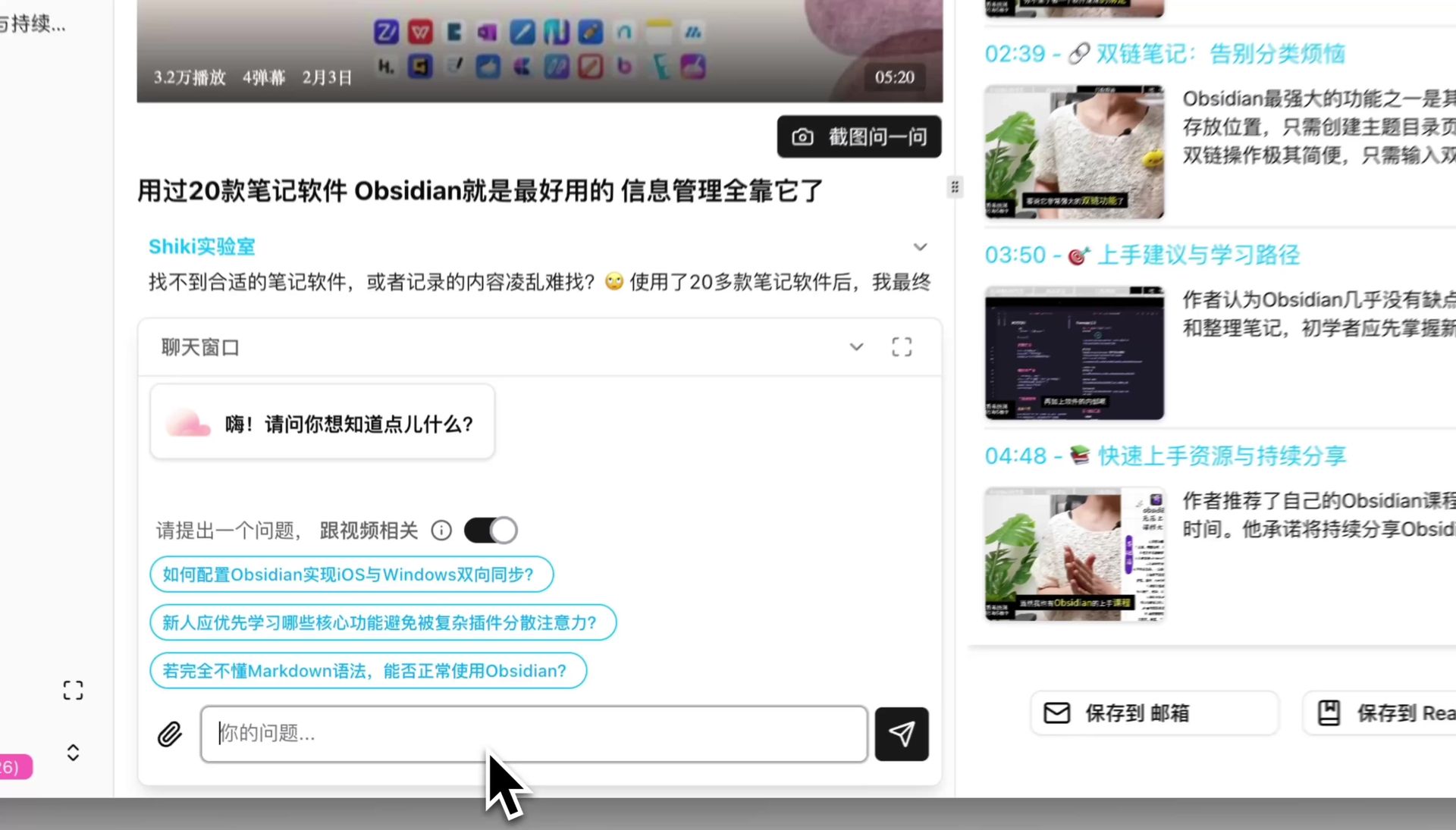
文字起こしをチャット画面に貼り付けて追加質問する様子
自分の仕事に合わせてどう調整する?
触るのは3か所で足ります。文字数の上限、ブロック名(自社で使っている呼び方に置き換える)、表の列(案件名やチケット番号を追加)。逆に外さないでほしいのは末尾の制約です。実在するタイムスタンプのみ、推測より not stated、外部知識の持ち込み禁止。この3行があるから、出力をそのまま使えます。
12個のうち毎週使うのはせいぜい3個。まずその3個を固定するところから。
このページをブックマークするより、よく使う数個を辞書登録やスニペットに2文字の略語で入れておくほうが定着します。3個が習慣になってから4個目を足す方が、最初から全部を運用しようとするより続きます。
人気のツール