Meta Muse Image Explained: Agentic Generation, Precise Text, Multi-Reference Edits
TL;DR — As of 2026-08-26, Meta shipped Muse Image, listed on OpenRouter as meta/muse-image at $0.01 per image with a 65,536-wide context window. Unlike single-pass generators, it reasons through multi-part prompts, can look up facts, and renders readable lettering. BibiGPT now lists Muse Image in the image-model picker — you choose it; nothing is bound to it forever.
Paste the video. Then pick Muse Image.
Get chapters and a transcript first. When you need a cover with readable type, choose Muse Image in the image-model picker.

Key facts (90-second read)
As of 2026-08-26, Meta launched Muse Image, listed on OpenRouter as meta/muse-image at $0.01 per image with a 65,536-wide context window. It is an agentic generator: it plans multi-part prompts, can look up facts, and aims for readable on-image text plus multi-reference edits. BibiGPT now lists Muse Image as a selectable model — pick it when you need that job, then keep the transcript in the same workspace.
Features
What Muse Image actually is
An agentic image model from Meta: it plans the prompt, then paints. OpenRouter lists it at $0.01 per image with a 65,536-wide context window.
Reasons before it renders
Multi-part prompts are broken into steps inside the chain of thought. You can ask for a poster with a headline, a product, and a legal line — it tries to keep all three instead of dropping the small print.
Readable on-image text
The launch pitch is precise lettering in many languages. That is the difference between a thumbnail you can publish and one you have to typeset by hand.
Reference images and iterative edits
Pass one or more stills for style or subject, then feed the last output back with a new instruction. Composition and targeted edits are first-class, not a bolt-on.
What this means if you work with long video
A new image SKU helps covers and stills. It does not replace chapters, a transcript, or follow-up Q&A. BibiGPT keeps both jobs in one workspace.
You can pick Muse Image by name
It is a selectable model in BibiGPT's image picker (and the same catalog on SunoMV and Drama). Choose it when you need readable type or multi-reference edits.
Covers still need the notes underneath
A 40-minute talk still needs timestamps and export. A pretty still that you cannot search is decoration. Generate the still after you have the chapters.
List price is not your product bill
OpenRouter's $0.01/image is the API list. In BibiGPT the 1K still costs 12 credits — same band as other fast image models — so you do not budget in two currencies.
5 key changes (90-second read)
Headline shifts from the Muse Image listing on 2026-08-26.
- 1
An agentic image model, not a one-shot paint
Muse Image reasons before it renders. Complex briefs — headline plus product plus disclaimer — are supposed to survive as a plan, not as a blur.
- 2
OpenRouter list: $0.01 / image
The public card is meta/muse-image, 65,536-wide context window, $0.01 per output image. Confirm on OpenRouter before you write a budget memo.
- 3
Precise lettering is the product claim
The launch stresses readable text inside the image, including non-Latin scripts. That is why thumbnail and poster jobs care.
- 4
Reference images and iterative edits
Pass stills for style or identity. Send the last output back with a new instruction. Multi-image composition is in the same API.
- 5
Selectable in BibiGPT as of this launch
Muse Image appears in the image-model picker. You choose it; you can switch. Summary and Q&A are unchanged.
3 typical scenarios for BibiGPT users
Where Muse Image helps — and where the notes still do the real work.
You need a cover with a real headline
Podcast artwork, Xiaohongshu cards, and YouTube thumbnails fail when the type is gibberish. Pick Muse Image, keep the episode title in the prompt, then export the summary beside it.
You already summarized the lecture
You have chapters. Now you want one still that matches a key frame and a short slogan. Generate the still from the notes, not from a generic prompt.
You are comparing image models, not buying a stack
Muse Image is one named option next to other generators in the picker. Keep this URL for the 2026-08-26 event; do not merge it into a Gemini Flash Image page.
Sources
Launch listing and the developer announcement.
-
OpenRouter model card for meta/muse-image, listed 2026-08-26 at $0.01 per image with a 65,536-wide context window.
OpenRouter — Muse Image ↗ -
Meta for Developers announced Muse Image on X on 2026-08-26.
Meta for Developers on X ↗
Loved by creators, students & researchers
Why people use BibiGPT to turn videos into text every day.
Trusted by 50,000+ users worldwide
“I paste a link and get clean captions in seconds — it saves me hours of retyping every single week.”
Maya R.
Content Creator · Repurposes short videos
“Exporting the transcript lets me review new words at my own pace instead of pausing the video constantly.”
Daniel K.
Language Learner · Studies with real videos
“Accurate, timestamped text I can quote directly. It has quietly become part of my daily workflow.”
Priya S.
Researcher · Cites public talks
FAQ'S
Frequently Asked Questions
Ask us anything!
Popular guides
 1
1 Bilibili AI Video Summary Tool: BibiGPT Summarizes 30+ Platforms Instantly (2026)
Best Bilibili AI video summary tool 2026? Paste a link for a free AI recap, mind map, and transcript-style takeaways on 30+ platforms — no login needed.
 2
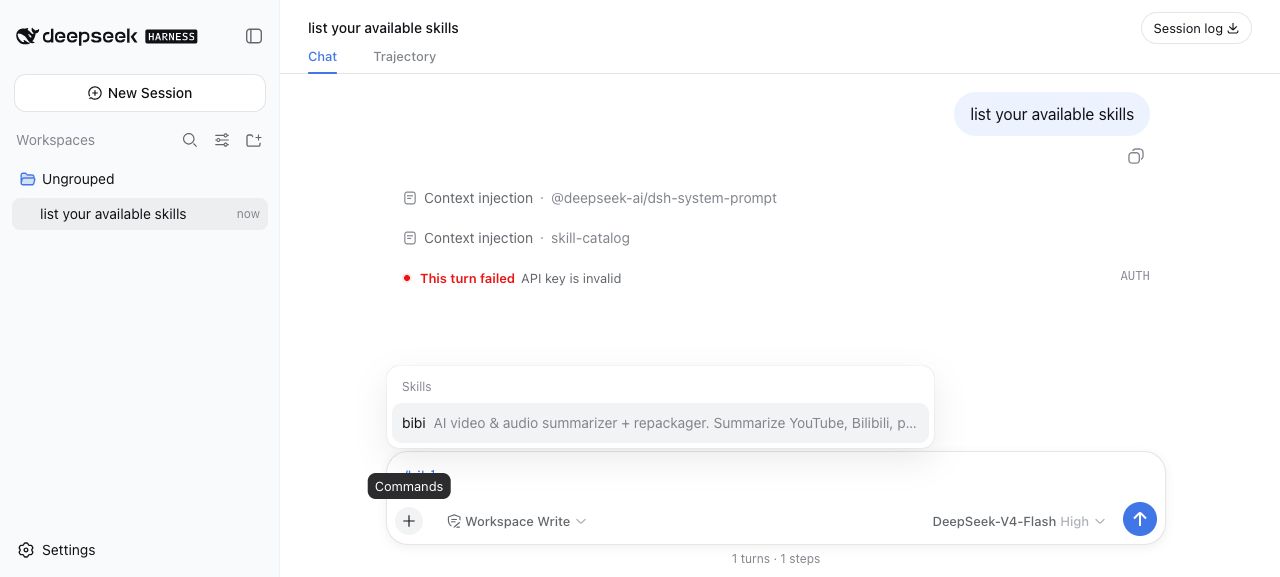
2 How to Install Skills in DeepSeek Harness: A Hands-On Guide to Teaching dsh to Watch Videos
Install a video-summary skill into DeepSeek Harness in one copy-paste — SKILL.md matches Claude Code. Or skip dsh: paste a Bilibili or YouTube link in the browser and get a timestamped summary.
 3
3 How to Reverse a Video Without an App — Free, In-Browser, No Download (2026)
Reverse any video free with no app and no download, right in your browser. Step-by-step for iPhone, Android, and PC, plus how to reverse audio (2026).
Pick Muse Image. Keep the notes from the same video.
Paste a link into BibiGPT, then choose Muse Image when you need a cover, social card, or still with readable type. Summary, transcript, and follow-up Q&A stay in the same workspace.