Claude Skills API Is Generally Available: Skills Are Standardized — Frameworks Are the Swappable Part

You have copied the same SKILL.md folder onto three machines. Claude Code can read it. Your local agent can read it too. Then a product manager drops a line: the company needs to go through the API — local directories are no longer enough. You open the console and find that uploading skills, versioning them, and attaching a skill to a request were still beta yesterday.
On August 20, 2026, Anthropic marked Computer Use, Skills API, and Files API generally available in the Claude Platform announcement. The skill format did not change. What changed is that the same folder can now be uploaded via API, versioned, and mounted per request.
Most coverage stops at the “production-grade agent trio.” This post unpacks the other half: the skill layer has already converged on the SKILL.md contract — frameworks are the swappable part — including DeepSeek Harness, which already implements the same contract even if it may not show up on the official showcase list.
Table of Contents
- What actually went generally available on August 20
- Skills API fills in distribution, not a new format
- DeepSeek Harness: unregistered implementations are the leading indicator
- The next stop for office agents is the input layer
- Choose by job: local directory, Skills API, or cross-framework folder
- A falsifiable prediction
- FAQ
What actually went generally available on August 20
Anthropic’s wording is short: Computer use, Skills API, and Files API became generally available on Claude Platform that day. Computer use also added browser use: click page elements by structure, not pixels alone. Skills API is described as “simpler upload and version management.” Files API hands documents to the same agent.
These three are not three skill formats. They are three layers on one production loop: the hands (operate the computer and browser), the external knowledge (skill folders), and the materials (files). Skills themselves are still the Agent Skills package — a folder with instructions, scripts, and templates, loaded only when the task needs them.
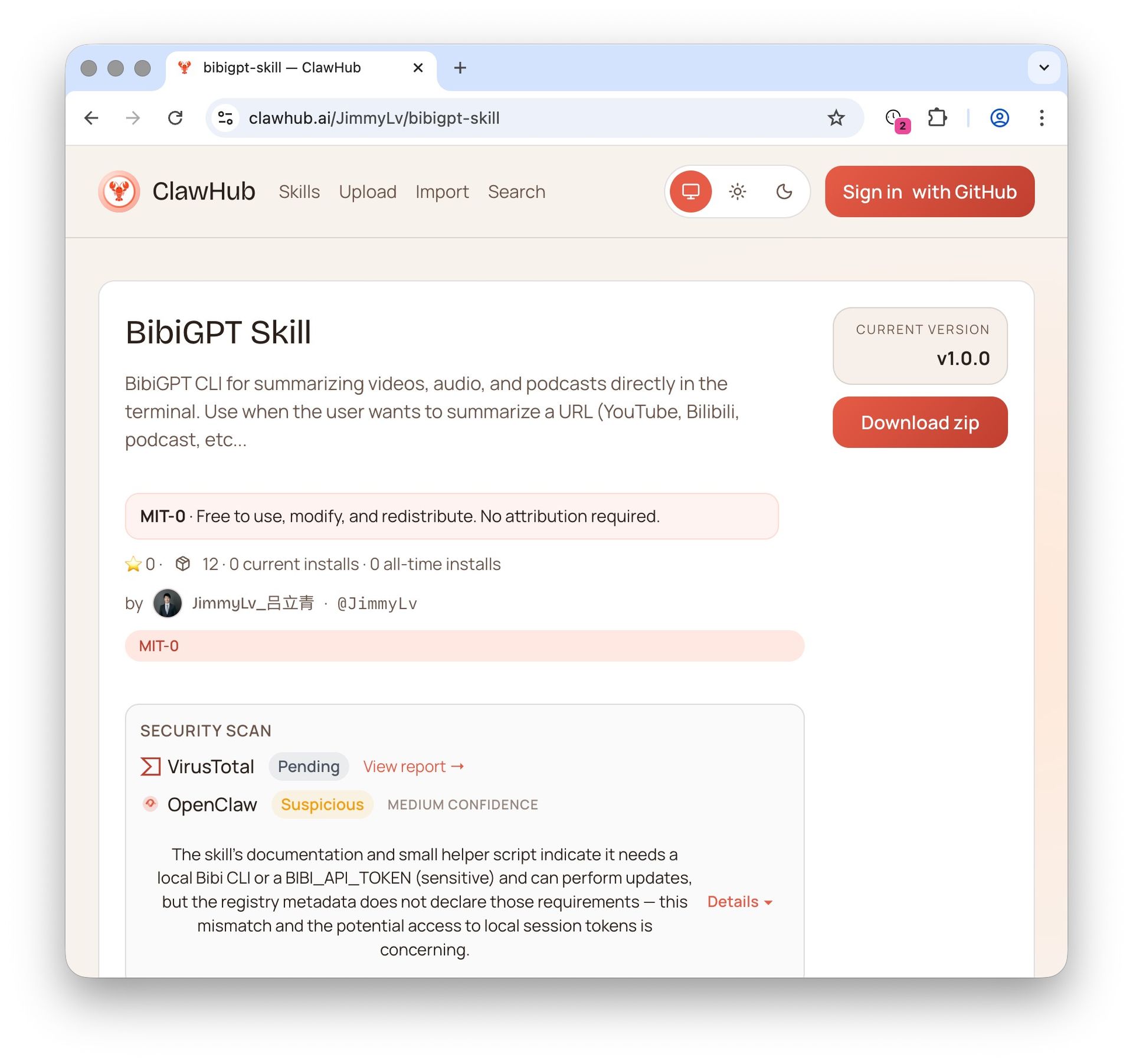
 Screenshot: a skill package in a public repo. Source: BibiGPT.
Practical rule: When you read a GA announcement, ask first whether the format changed. If it did not, this is a distribution story — not another launch-recap post.
Skills API fills in distribution, not a new format
The definition of a skill did not change: it is a written operating procedure, not an extension pack from a plugin marketplace. The spec still lives at agentskills.io. The API layer fills in three things that previously required a local directory:
- Upload a zip (must contain
SKILL.md) to an organization or project. - Assign a version number and attach a specific version at request time.
- Team / Enterprise can enable skills for everyone or for groups in org settings — no more copying one folder per person.
The help center article Use skills in Claude is explicit: Free / Pro / Max / Team / Enterprise can all use skills, but Code execution and file creation must be on. Without code execution, skills cannot run — that is a runtime dependency, not a marketing toggle.
On the org side, Provision and manage skills locks down distribution: upload once in org settings and everyone sees it under Customize > Skills; for a subset of people, package it as a plugin and bind it to a group.
Demo: how another runtime reads the same SKILL.md. Source: public YouTube walkthrough, paired with DeepSeek Harness.
Practical rule: Skill acceptance has one test — after you swap the runtime, do you still need to edit
SKILL.md? If you do, it is not an asset yet. If you do not, the framework is the swappable part.
DeepSeek Harness: unregistered implementations are the leading indicator
Public consensus loves to count showcases. As of August 2026, agentskills.io/clients lists 46 agent products. DeepSeek’s DeepSeek Harness, open-sourced on 2026-08-13, implements the same SKILL.md contract and scans ~/.agents/skills. Public day-one numbers: 75,960 stars and 1,264 dsh-plugin repos (asOf 2026-08). It is not among those 46.
The list is voluntary registration. It can prove “present,” not “absent.” The implementations that already ship without registering are the zero-competition first-mover seats. Discovery roots, priority, and the shortest install path are in installing an audio-video skill in dsh.
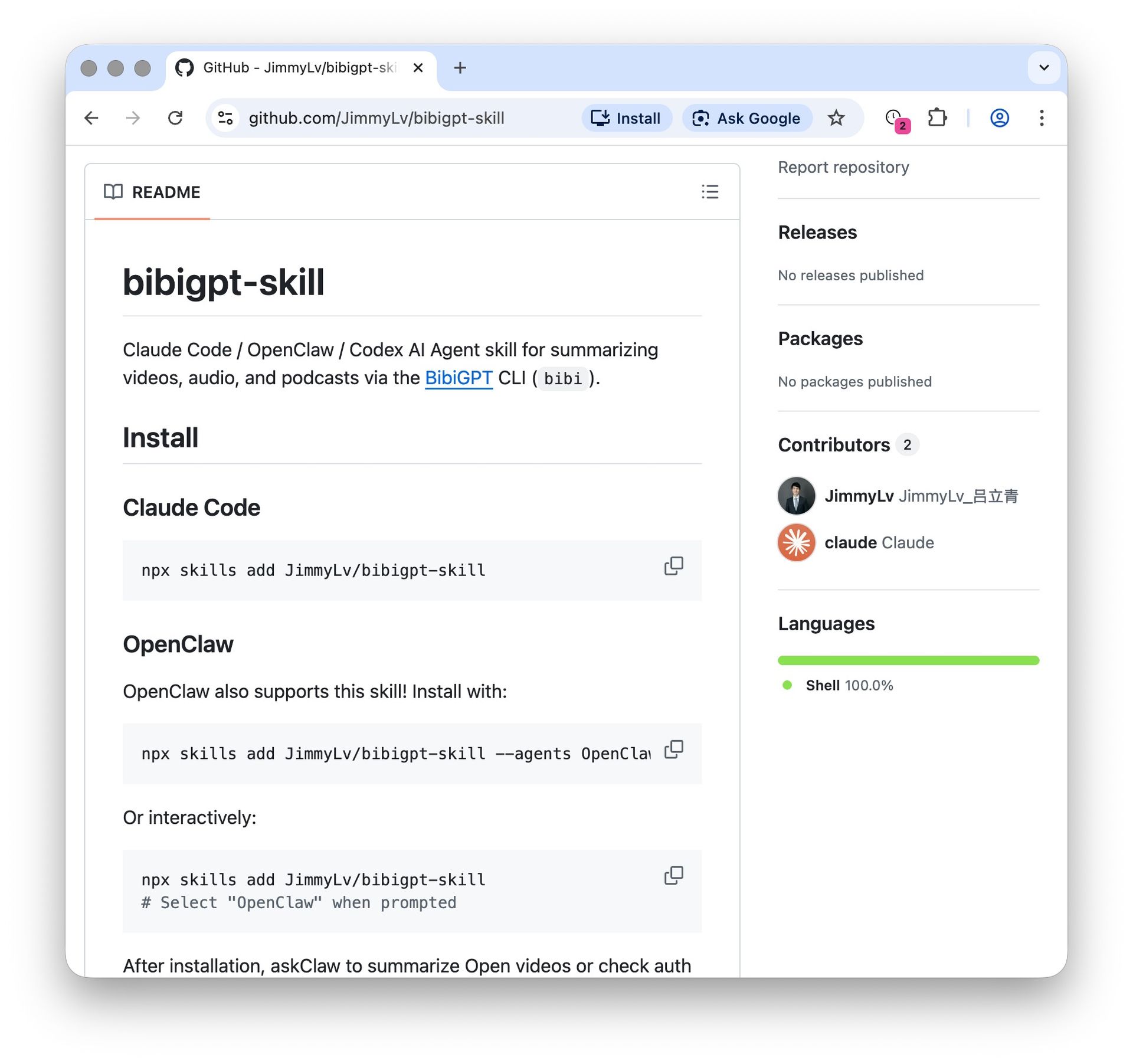
Screenshot: an installable audio-video skill entry point. Source: BibiGPT.
The claim is blunt: a winning standard does not look like a launch event — it looks like one fewer thing you have to port. Skills API GA moves this from “local convention” to “cloud distribution”; it does not rewrite the contract itself.
Practical rule: To judge whether a format is a standard, do not start by counting announcements. Find an implementation that never issued a press release — and already runs on your folder.
The next stop for office agents is the input layer
Skills API solves “how procedures get distributed.” It does not solve “how audio and video get fed in.” Office agents still default to text: meeting notes, documents, spreadsheets. Meeting recordings, three-hour livestreams, and full online courses still stall at the input layer.
Once skills are treated as cross-framework assets, the decisive move shifts earlier: whoever can reliably turn B 站, YouTube, and podcasts into timestamped chapters covers three high-frequency scenarios — meetings, courses, and podcasts. Real-time call models solve “being present”; post-hoc summaries solve “being searchable.” Do not cram both paths into the same skill name.
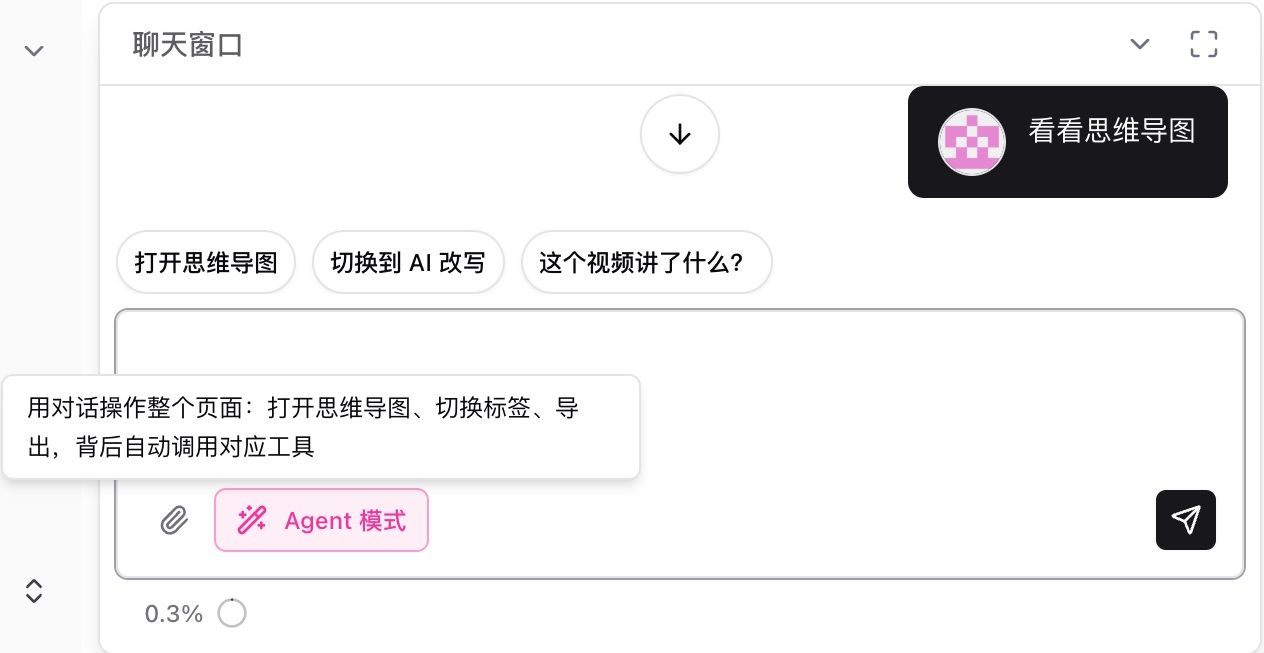 Screenshot: the input layer is links and files — not another live call. Source: BibiGPT.
To see how this input layer lands in product, compare YouTube video summary and B 站 video summary. They are not stand-ins for Skills API — they are the layer a skill package has to call.
Choose by job: local directory, Skills API, or cross-framework folder
| Job | Start here | Why | Don’t |
|---|---|---|---|
| Personal machine, Claude Code already runs | ~/.agents/skills | Zero upload; shared discovery root with dsh | Re-upload the same folder via API just to look “official” |
| Team needs unified versions and per-request mounts | Skills API | GA day one is built for upload, versioning, and org enablement | Copy one zip per person — it will drift next week |
| Same skill must enter runtimes beyond Claude | SKILL.md folder as the asset | Contract has converged; frameworks are swappable | Rewrite a description for every framework |
| Skill must read video / podcasts / meeting recordings | Wire the input layer first, then attach the skill | A skill is procedure — it cannot ingest frames by itself | Assume GA means the model suddenly watches video |
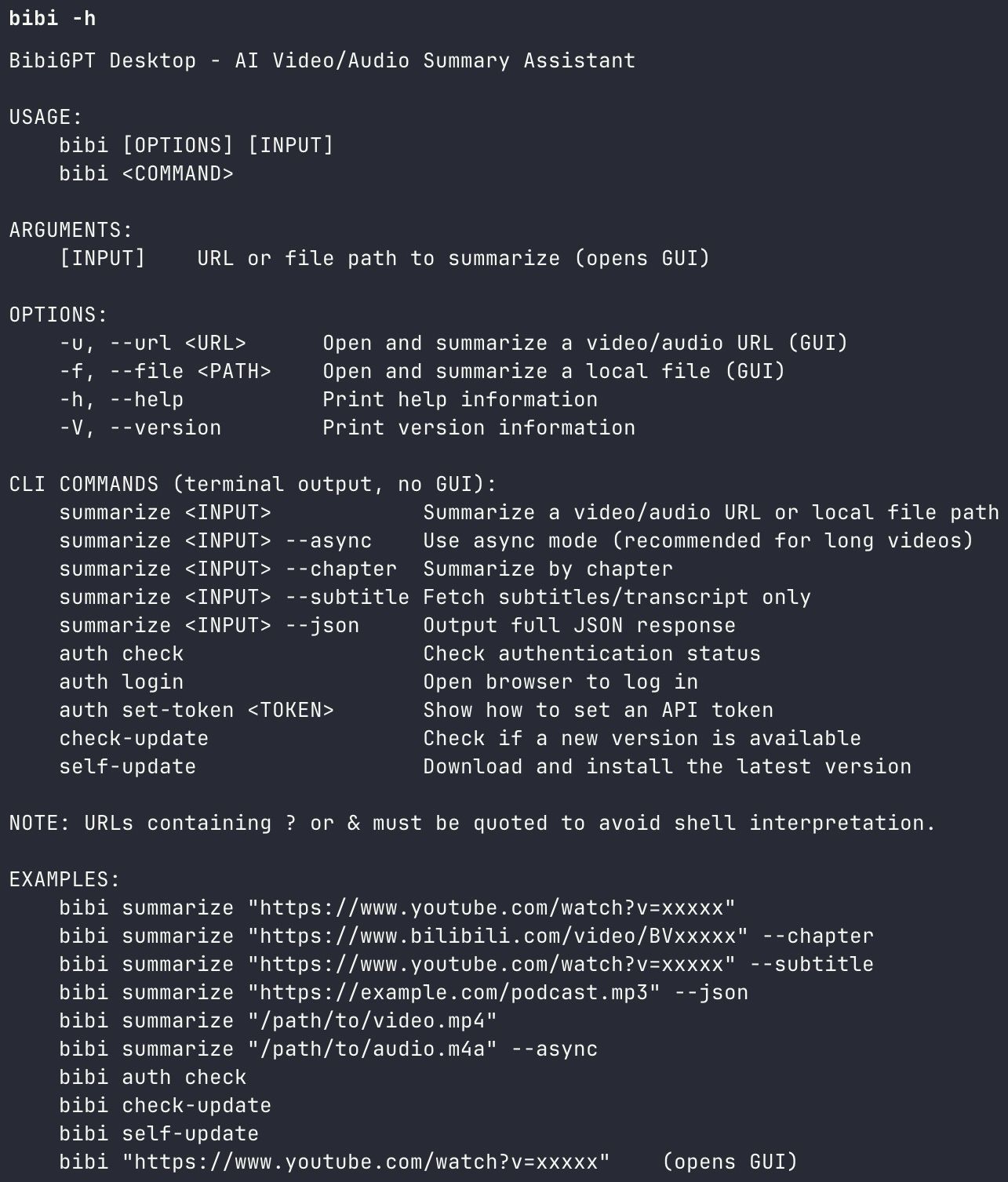 Screenshot: the CLI help lists summary commands, not a chat entry point. Source: BibiGPT.
A falsifiable prediction
If by August 2027 a mainstream framework invents an incompatible skill format and builds a meaningful ecosystem around it (install volume on par with SKILL.md clients), then the claim that “skills are cross-framework assets and frameworks are the swappable part” is void. Until then, Skills API GA proves only one thing: Anthropic productized distribution without reinventing the format.
FAQ
Is Skills API GA a new skill format?
No. A skill is still a folder that contains SKILL.md. GA fills in upload, versioning, per-request mounting, and org enablement.
Does it conflict with DeepSeek Harness?
No. dsh implements the same contract and scans ~/.agents/skills. One path is cloud distribution; the other is a local discovery root. Conflict only appears when you maintain two descriptions for two runtimes.
How does a Team plan ship skills to everyone? Org settings > Skills, turn on code execution and Skills, upload the zip. Org-wide enablement uses organization skills; group enablement packages them as a plugin. See Anthropic’s help center for details.
Can a skill summarize YouTube directly? A skill is a procedure. To summarize video, that procedure still needs an input layer that actually eats links and emits chapters. Treating “can load a skill” as “can watch video” will break on the first three-hour livestream.
Treat the skill folder as the asset and the framework as the socket. The August 20 GA only adds a cloud cable to that socket. The next step is not waiting for another format — it is making the same skill actually ingest audio and video.
To wire an existing skill into searchable chapter output, run one of your own links through BibiGPT first: same SKILL.md — what changes is the input, not the format.
Popular tools
More in this series
- AI Competitive Intelligence Workflow: Build Industry Monitoring with BibiGPT Video Summaries
- Lessons From Shipping BiliGPT: Two Cold-Start Growth Tactics Behind a GPT-3 Side Project
- [BibiGPT Growth Series] Episode 1 | How AI Summaries for Bilibili Were Born
- BibiGPT Advanced Guide 2026: Download + AI-Summarize Videos from WeChat Channels, RedNote, TikTok, and Enterprise Intranet Sites
- Chat with Any Video: How to Ask AI Questions About Videos Instead of Watching the Whole Thing (2026)